Lab in the field
Performance Diagnostics
We don't guess — we measure. Blood lactate testing is the most precise way to map your metabolic processes.
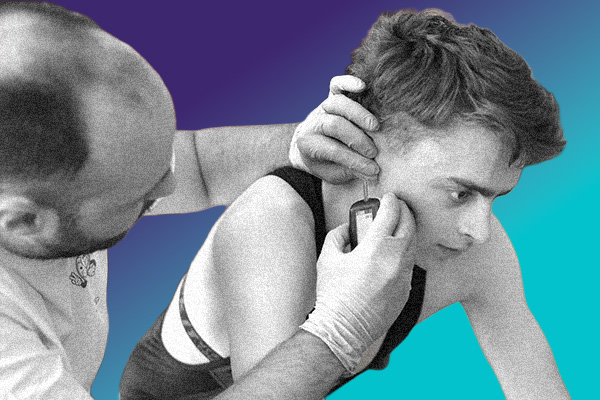
Lactate Step Test
Precise aerobic and anaerobic threshold determination
With the lactate step test you can:
• determine personalised aerobic and anaerobic thresholds,• set precise heart rate and power zones,
• reduce the risk of over- and under-training,
• objectively track the effect of training and your progress.
The lactate step test includes:
• body composition analysis (bioelectrical impedance scale)• resting heart rate, blood pressure, oxygen saturation
• heart rate variability (HRV) analysis
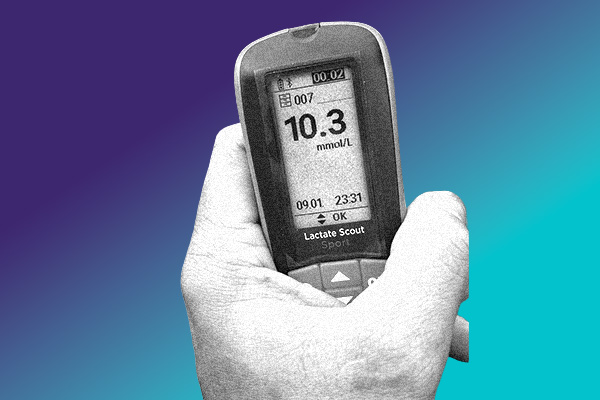
• resting lactate
• testing on an ergometer with your own bike
• power increased by 20 watts every 3 minutes, starting at 60–80–100 watts
• continuous heart rate recording, lactate measurement at the end of each step
• recovery measurements: heart rate, lactate, blood pressure, oxygen saturation
• evaluation
This test provides a solid foundation for any targeted training programme — whether base building, performance improvement or race preparation.
What does a step test evaluation look like? See what data you receive after the test:
• VO2max and FATmax
• individual heart rate and power target zones
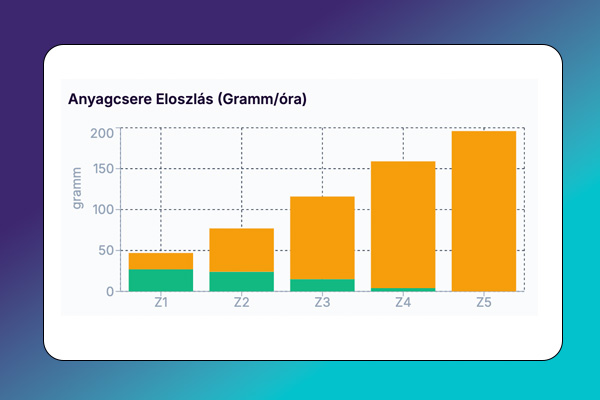
• metabolic process distributions and table
• heart rate recovery data
• highlighting areas for improvement
• recommendations for optimising your training
• discussion of any questions that arise
Lactate Step Test
- ✓Zone determination
- ✓Evaluation and consultation
Booking and more information: +36 70 366 6239
Location: Kismaros, Mályva utca 9.

Critical Power Tests + Aerobic Test
Distribution of metabolic processes and zone determination with a power meter
The test is especially useful when you want to:
• determine precise power-based training zones,• understand which intensities represent what metabolic load,
• track progress with repeated measurements over time,
• and optimise training load while avoiding over- or under-training.
The aerobic test aims to precisely map endurance foundations and fatigue tolerance. In this custom protocol we examine load performed below FTP while analysing the relationship between power and heart rate, with particular attention to heart rate drift. Drift shows how heart rate changes over time. This provides important feedback on how stable the aerobic system is, how efficient energy production is, and how the body responds to sustained load.
With the aerobic test you can:
• get a more accurate picture of aerobic capacity,• refine heart rates for low and moderate intensity training zones,
• see the difference in heart rate between rested and fatigued states
Critical Power Tests + Aerobic Test
- ✓Can be done with your own power meter
- ✓Zone determination
- ✓Detailed instructions on how to perform the tests
Retrospective Season Analysis
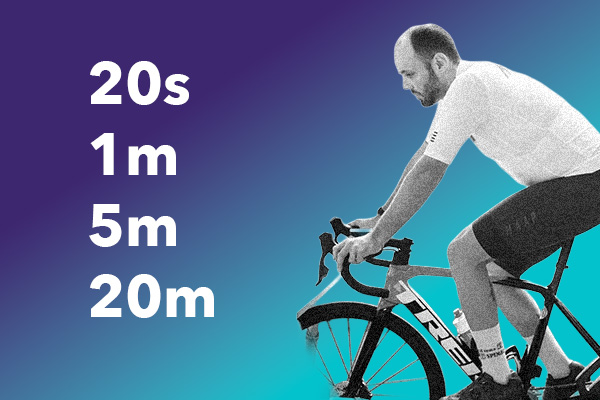
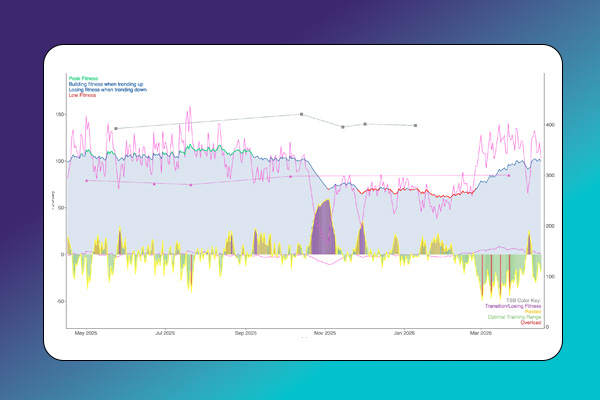
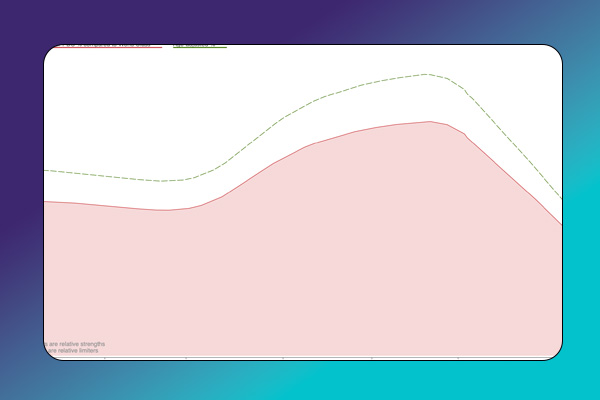
Putting your previous year in context using power and heart rate data
You receive the evaluation in a document with explanations and recommendations. The service also includes a 60–90 minute phone call where we can discuss all your questions.
More specifically, what does the package include?
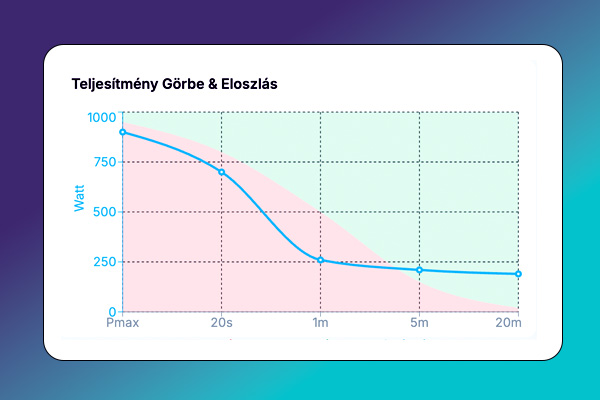
• power curve adjustment• power curve analysis
• mapping aerobic / anaerobic abilities
• identifying main weaknesses
• cyclist profile determination
• sprint ability assessment
• fatigue indicator assessment
• recommendations for power-based training zones and durations
• cadence analysis
• retrospective season analysis
Retrospective Season Analysis
- ✓Power curve adjustment
- ✓Cyclist profile determination
Articles on diagnostics and base training
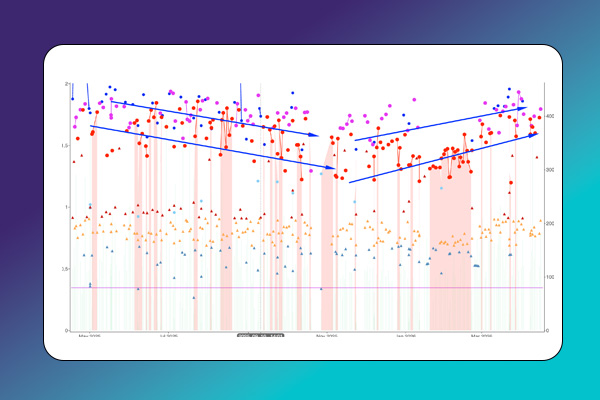
My diagnostics got worse — but why?
Shows through a concrete example why a test can look "worse" while your training is still moving forward.
Read more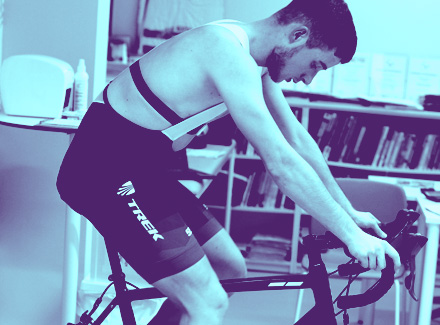
The importance of winter base training
Why you shouldn't skip low-intensity base training, and why it can't be replaced by intense workouts alone.
Read more
The Strava lie
Why focusing only on KOMs and segments is misleading, and how to use Strava wisely to track your progress.
Read moreFrequently Asked Questions
Why do you need performance diagnostics?
Performance diagnostics gives an accurate picture of your current condition, helps determine heart rate and power zones, and provides a foundation for a personalised training plan.
How often should you do diagnostics?
It is recommended to repeat performance diagnostics every 3–6 months to track progress and adjust the training plan if needed.
What is the lactate curve?
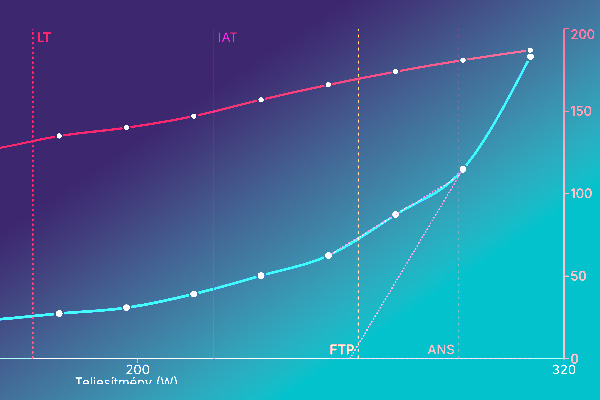
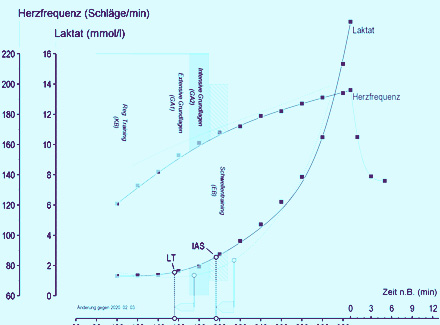
The lactate curve is a graph showing the relationship between physical load intensity (e.g. speed or power) and blood lactate concentration. It is one of the most important tools in endurance athletes' performance diagnostics.
What does the lactate curve show?
During the test, load is increased step by step and a blood sample is taken at the end of each stage (usually from a fingertip or earlobe). Connecting the points draws the curve, on which two critical points are identified:
- Aerobic threshold (LT1): The point where lactate level begins to rise above resting level. Here the body can still fully process the lactate produced.
- Anaerobic threshold (LT2 / MLSS): The intensity at which lactate production and clearance are still in balance. Above this level acidosis accelerates rapidly and the athlete fatigues quickly.
What curve shift means
Changes in fitness are indicated by horizontal shift of the curve:
- Shift to the right: Indicates improvement. The athlete produces the same lactate level at higher speed or power, meaning aerobic capacity has improved.
- Shift to the left: May indicate loss of form or overtraining, as significant lactate production begins at lower loads.
Why is it useful?
- Training zone determination: Helps precisely define ranges for recovery, endurance and intense training.
- Tracking progress: Regular measurements objectively show how much the body's efficiency has improved.
- Race strategy: Shows the pace an athlete can sustain long-term (e.g. in a marathon or triathlon) without significant acidosis.
What is cycling performance diagnostics?
Cycling performance diagnostics is a scientific assessment that measures your current physical condition, endurance and metabolic processes under laboratory conditions. The goal is to build your training plan on precise data (heart rate, power in watts, lactate level) instead of subjective feelings.
How does the test work?
The assessment is usually performed on your own bike (mounted on a special trainer) or on a cycle ergometer.
- Baseline assessment: Body composition analysis and resting measurements (heart rate, blood pressure).
- Step test: Load (watts) is gradually increased (e.g. every minute or every 3 minutes by 20–30 watts) until complete exhaustion.
- Sampling: At the end of each step a blood sample is taken to measure lactate, and heart rate and breathing parameters are recorded (with spiroergometry).
Key measured values
- Watts (Power): Shows how much mechanical work you perform. This is the most objective metric in cycling.
- VO2max: A maximum oxygen uptake capacity — the "ceiling" of aerobic endurance.
- Anaerobic threshold (MLSS/FTP): The maximum power you can sustain for a longer period (about one hour) without significant acidosis.
- VLamax: A body's maximum lactate production capacity, helping determine whether you are more of a sprinter or a "diesel" type racer.
Why is it worth doing?
- Personalised zones: You learn your precise heart rate and power zones (e.g. which range burns the most fat).
- Efficiency: You can avoid overtraining and unnecessary workouts at inappropriate intensity.
- Tracking progress: Repeated every six months or yearly, you can see exactly how much your metabolism and strength have improved.